Category: Hunting, Outdoor Sports

  • Northward Bound

    The main reason several guys go together and spend a lot of time and money to buy, develop and manage a piece of duck hunting property is so they’ll have their own duck hunting place. It’s a yearlong job but a labor of love.

    Many things can thwart a promising duck season: weather patterns, migration irregularities, competition from nearby waterfowl habitat. But whether or not the Duck Gods favor you in the fall, the habitat you develop will be valuable to the birds on their long, dangerous journey north in the spring.

    This video was shot in Bates County, MO after an early spring thaw. Most of these birds are probably mallards with a sprinkling of pintail, gadwall, widgeon and teal. They are enjoying this little 185 acre parcel of wetland habitat as a resting and feeding stop-over on the way north to their breeding grounds in the prairie pothole regions of the northern United States and Canada.

    This little 185 acre parcel of marsh and woodland not only benefits ducks. Canada geese nest here every year. Snipe, herons and other shore birds frequent it year-round. White tail deer, raccoons, possums,  turkeys,  bobcats and countless songbirds make frequent  use of it.

    Want to help conserve wetland habitat? Even if you don’t hunt, buy a federal duck stamp.They’re available for $25 every fall from your local post office. And support Ducks Unlimited http://www.ducks.org .


  • A Firearms weekend

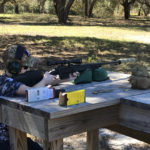
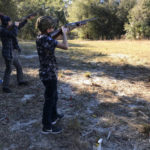
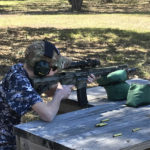
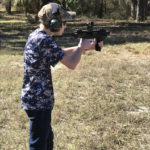
    Our grandson Silas accompanied his dad and others to the farm of a fellow church member. This guy is obviously quite the outdoorsman. He has a safe place to shoot firearms, hunts deer and turkeys and has a pond where he hopes to eventually duck hunt.

    Fourteen year-old Silas had never fired a weapon. He got a thorough intro into the safe handling of firearms. He fired his Uncle Joel’s 40 caliber semi-auto Glock and 44-magnum revolver, his dad’s 12 and 20 ga. Remington model 870 pump action shotguns, plus Dad’s 5.56mm AR. He also fired a .300 Blackout short barrel AR with and without a suppressor.

    His shoulder wasn’t sore enough yet so he also fired a bolt-action .308 caliber rifle with and without the suppressor, plus a scoped bolt action .22.

    Suppressors… the anti-gun crowd calls them “silencers”… have taken heat from anti-hunters. “Nobody needs a gun with a silencer!”  As the name implies, it does not silence the report from the firearm: it suppresses it. This is beneficial to hunters because it doesn’t announce your presence to every critter in the woods. It also makes shooting easier on the shooter’s ears.  Another advantage of suppressors is that firing ranges are sometimes located near suburban neighborhoods and the reduced noise cuts down on complaints from near-by homeowners.

    If I had had one throughout my years of shooting I could probably still hear my wife talking to me from across the room. But on the other hand….


  • Still MORE big Kansas bucks

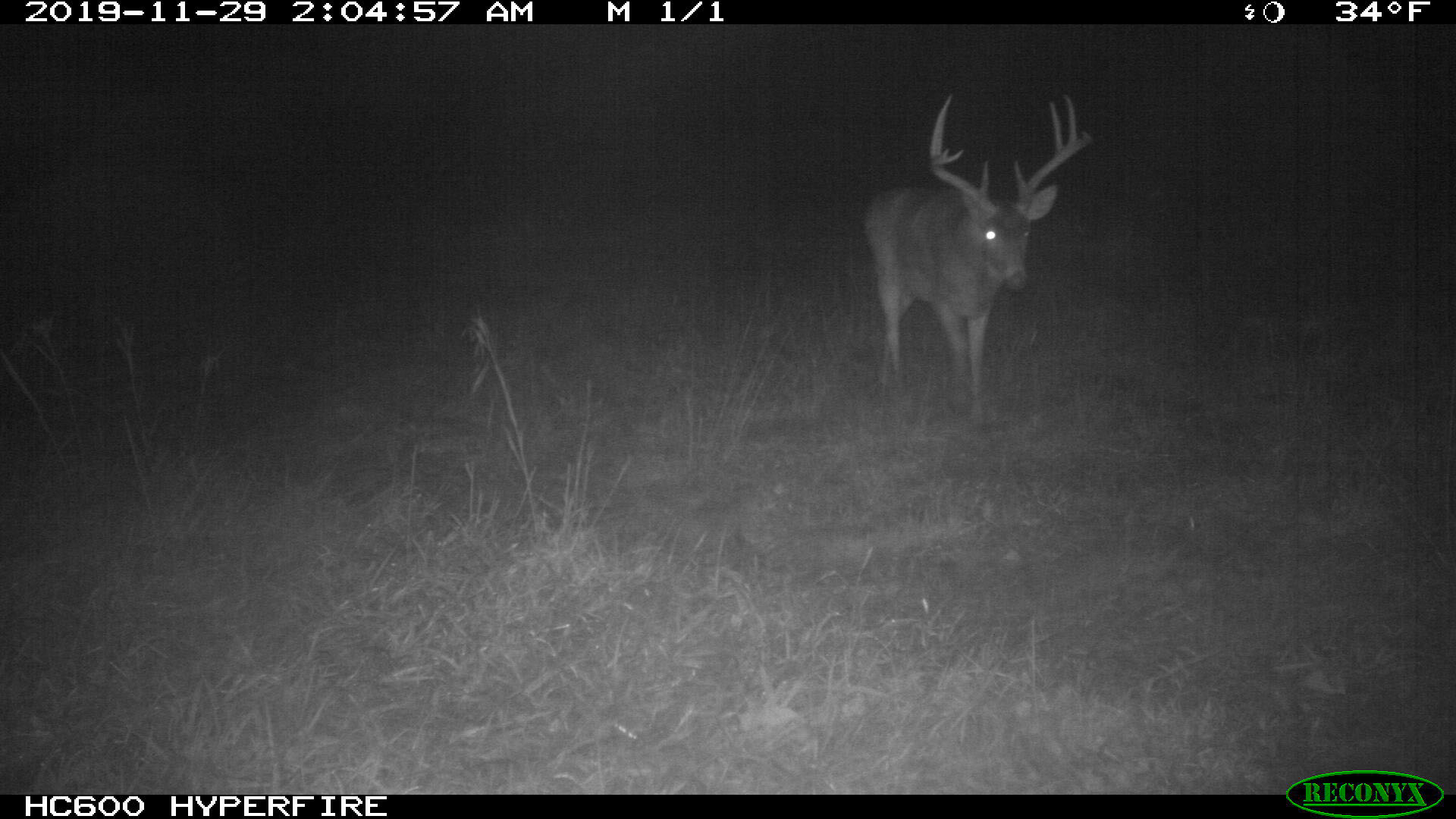
    My friend Scott calls the deer in the first nighttime photo the Crabclaw   buck. He only poses for the trail cam at night. Scott has been watching this buck for three years as it grows. As you can see by  how roughed up he is, this buck is a fighter.

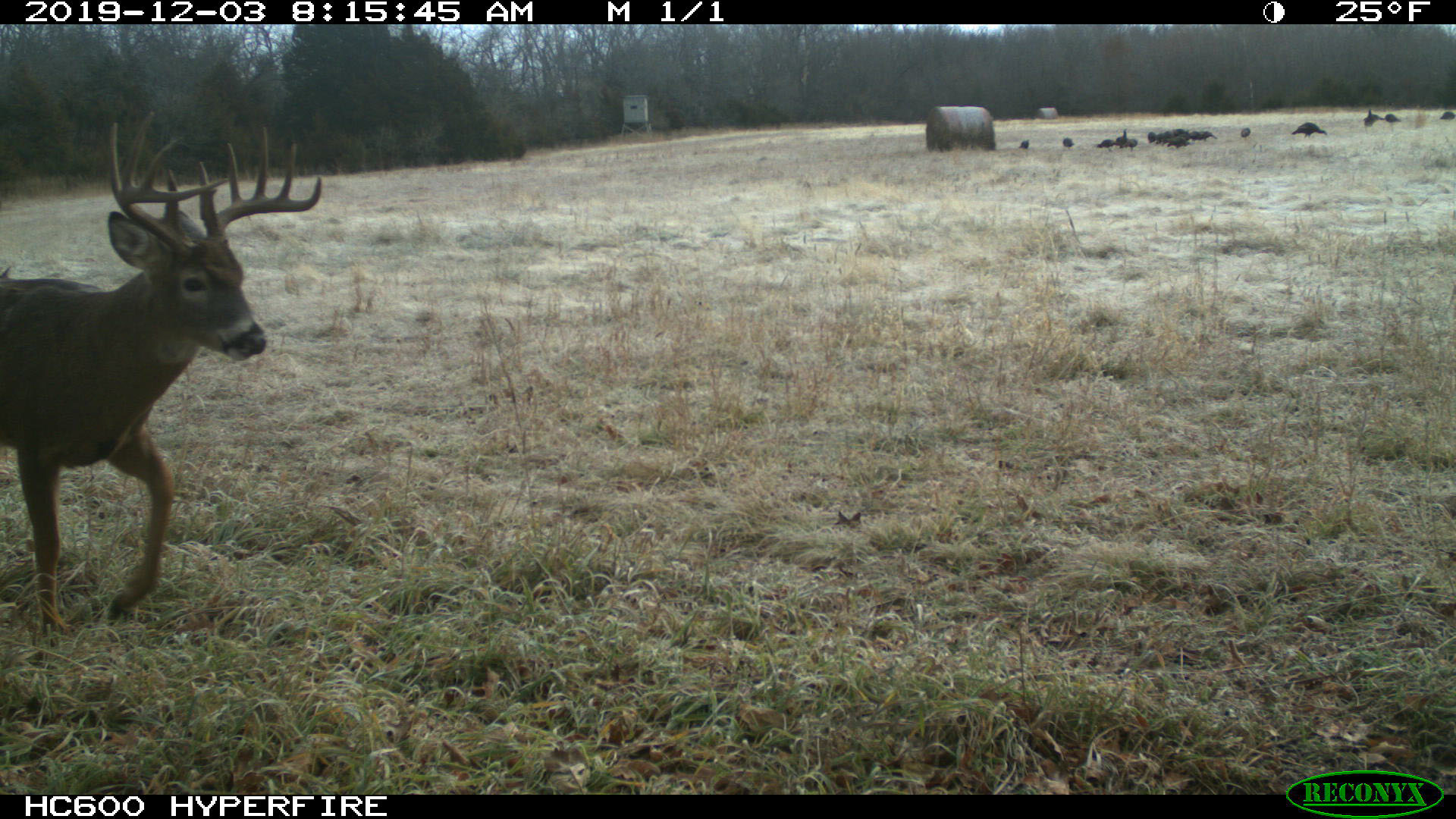
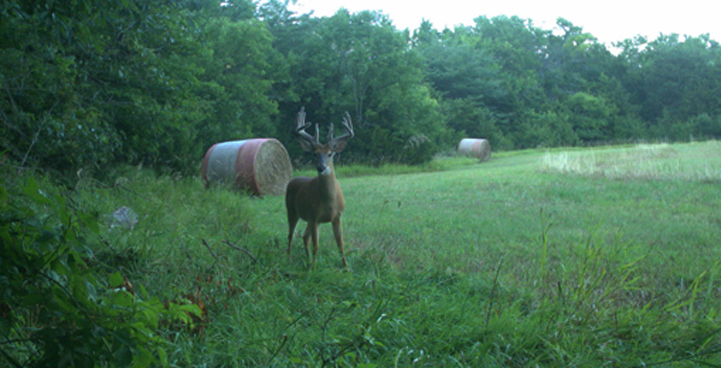
    The daylight photo below appears to be a 14-pointer. If he keeps   wandering around in the daylight this fall he’ll wind up on the wall of some  guy’s man cave.

    And look at the herd of turkeys in the right background! Does that make you want to get out your old box call and start practicing or what!

    The beautiful eight point buck below is from my friend Dave Zumbaugh’s trail cam. Dave lives on the outskirts of Shawnee Mission Park in a western suburb of Kansas City. The deer in the park are protected and rapidly become so numerous they stand on their hind legs in the winter and    munch the bark from trees. Yet every time a controlled archery hunt is proposed the anti hunting crowd raises hell. I guess they’d rather Bambi and his mom die a slow death by starvation.

    Sanity has prevailed a few times and local food pantries have enjoyed the venison.


  • A duck hunter is born

    My baptism into the awesome sport of duck hunting took place when I was twenty-nine years old and should’ve known better.

    My “John The Baptist” was long-time buddy Ned who had duck hunted since high school.  Before dawn we waded into the shallow waters of John Redmond reservoir in eastern Kansas. I could hear the gentle whisper of wings overhead, and  though I had never heard that sound, I knew what it was. As daylight approached we saw ducks flying far out over the reservoir and I remember how I thought, with their speed, their outstretched necks, they resembled little fighter planes like the P-51 Mustang my brother Paul had flown in World War Two.

    Ned and I never fired a shot that morning but I was mesmerized by watching the birds fly. I loved seeing the sun slowly creep up over the horizon. And because it wasn’t very cold , I didn’t mind standing in muddy, waist-deep water as it seeped into my borrowed chest waders.

    I had become a duck hunter.

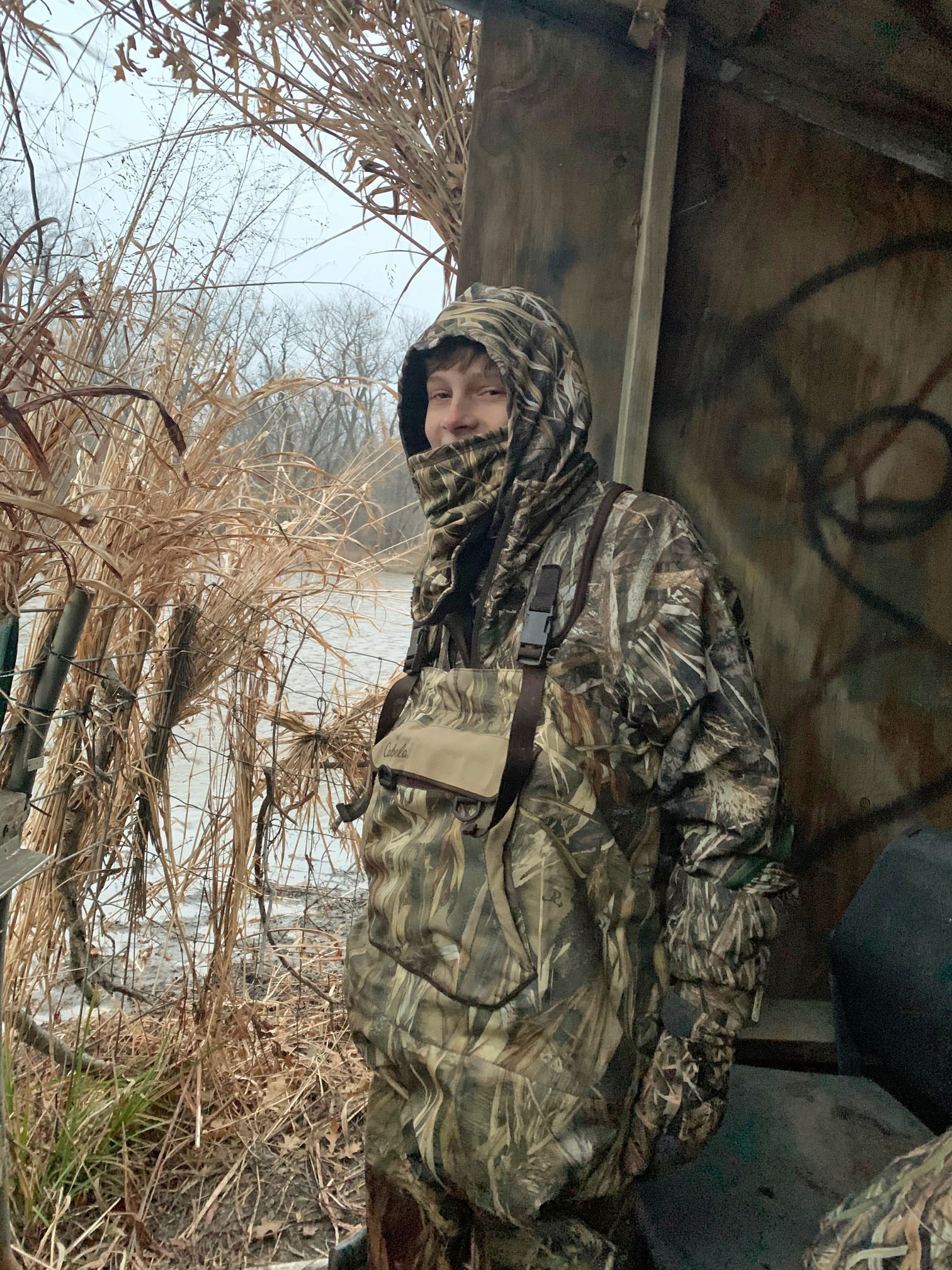
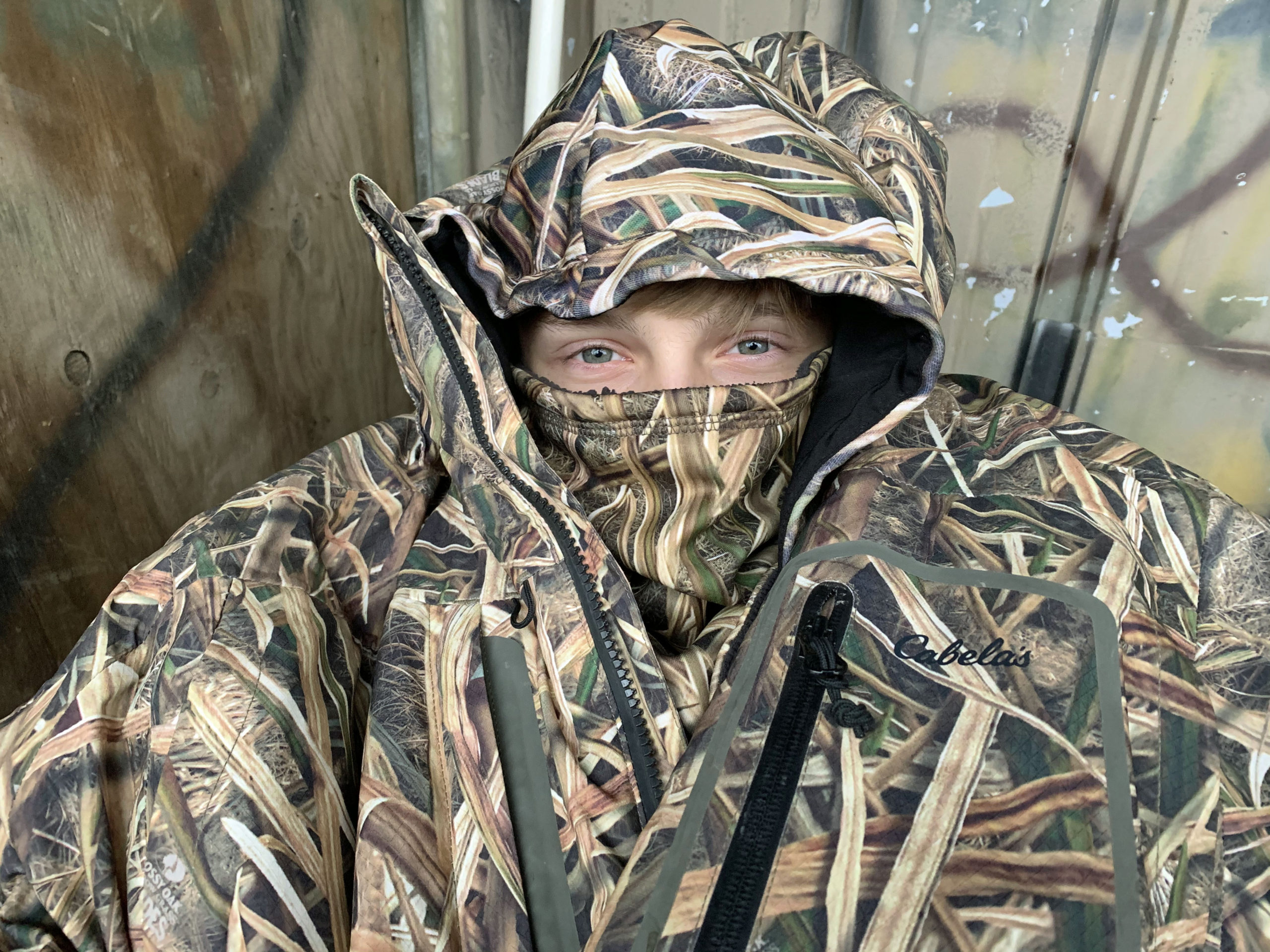
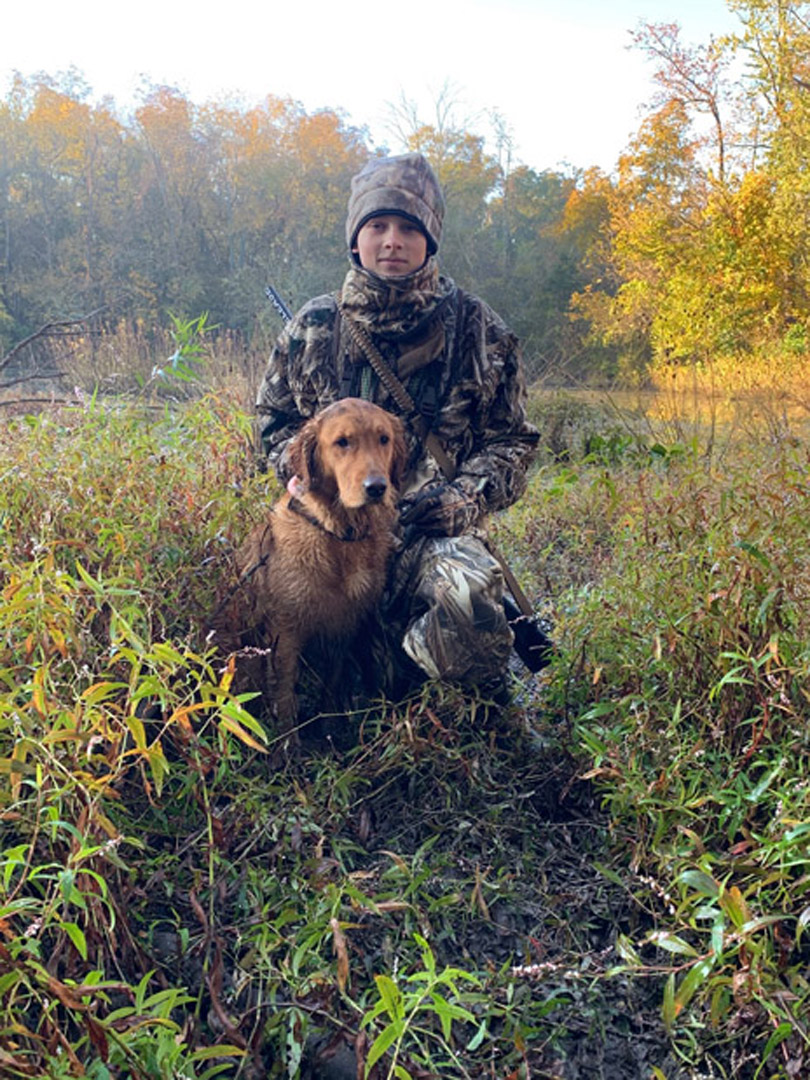
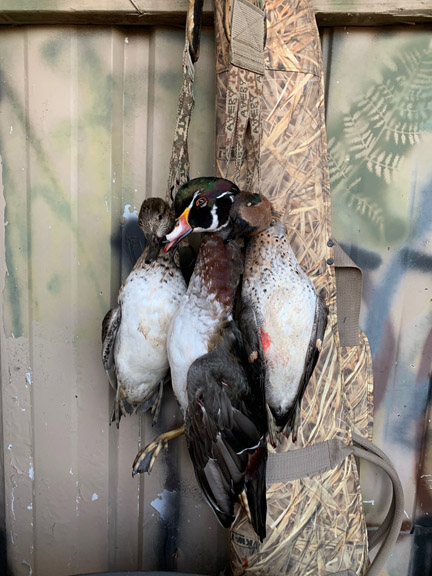
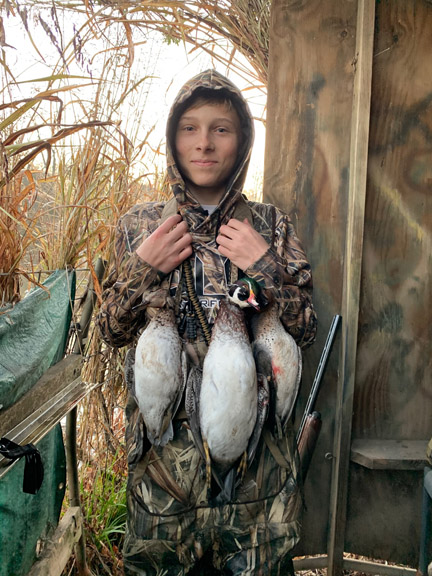
    Fast forward to now, when my friend Jay and his fourteen year-old son Chuck – or Charlie – depending on the moniker he chooses at the moment, are hunkered in a blind at the Lone Oak Duck Club in western Missouri. Fourteen-year-old Chuck has been doing this since he was old enough to walk. Surely he feels the same emotions I felt that morning long ago as I stood in the muddy waters of Redmond reservoir.

    He’ll be a duck hunter all his life.


  • The Lone Oak Duck Club

    The Lone Oak Duck Club is an L-shaped tract of land in Bates County, Missouri. As the duck flies it’s  roughly  three miles northwest of the Four Rivers Waterfowl Management area.  It was founded in 1979. I know because I was one of the founders.


    “Duck Club” sounds like a fancy place where rich guys hunt. This duck club is nothing like that. Our “club house” used to be an ancient trailer with mushrooms growing out of the damp carpet. We shared the place with mice and the occasional blacksnake. We kidded ourselves into thinking we managed the water level but the beavers and Mother Nature had the last say on everything. Later we built a little five-bedroom cabin with two johns. It still wasn’t fancy but it was a definite upgrade from the leaky old trailer.

    Actually one guy who knew what he was doing built it and the rest of us tried to stay out of his way.

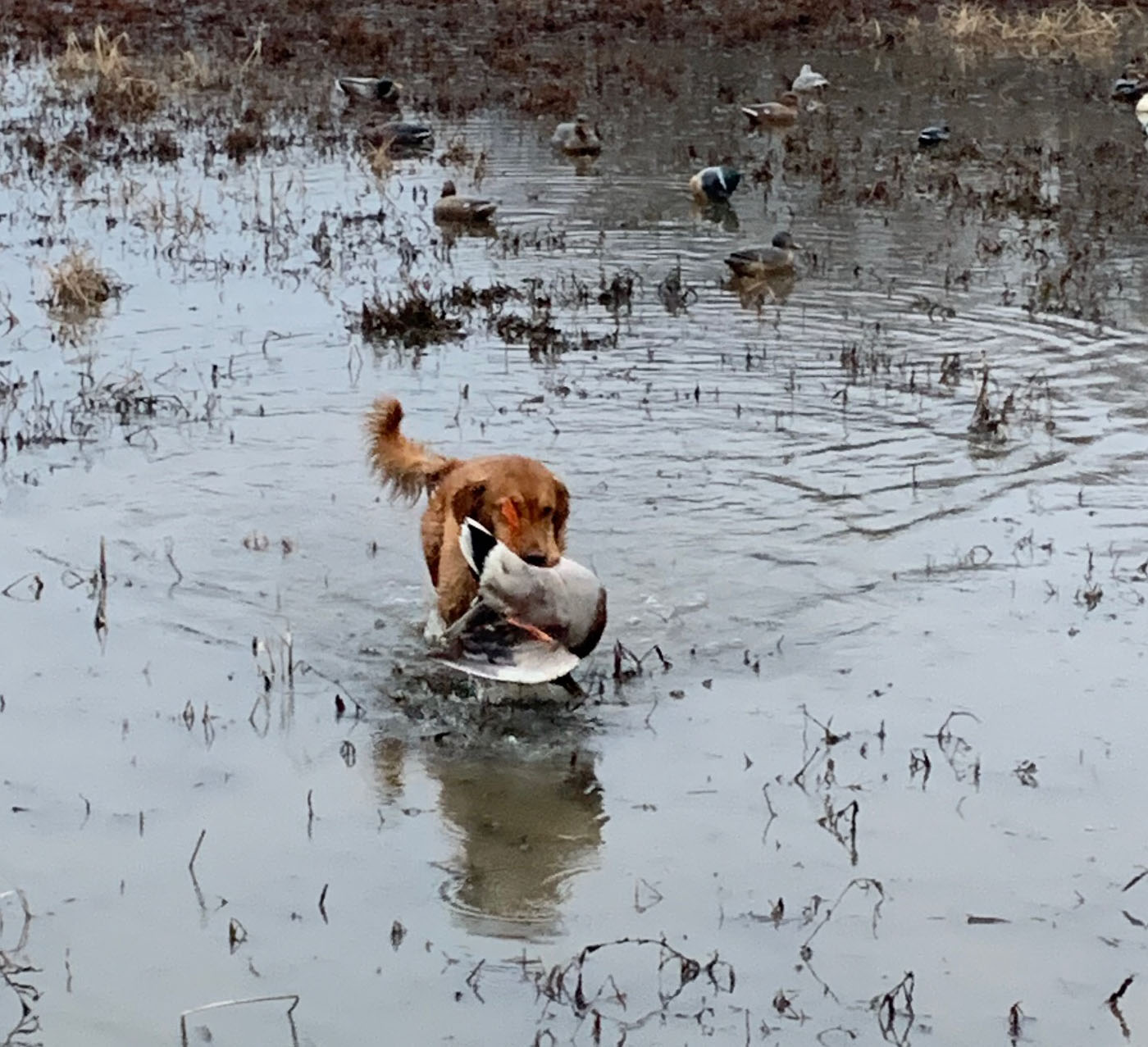
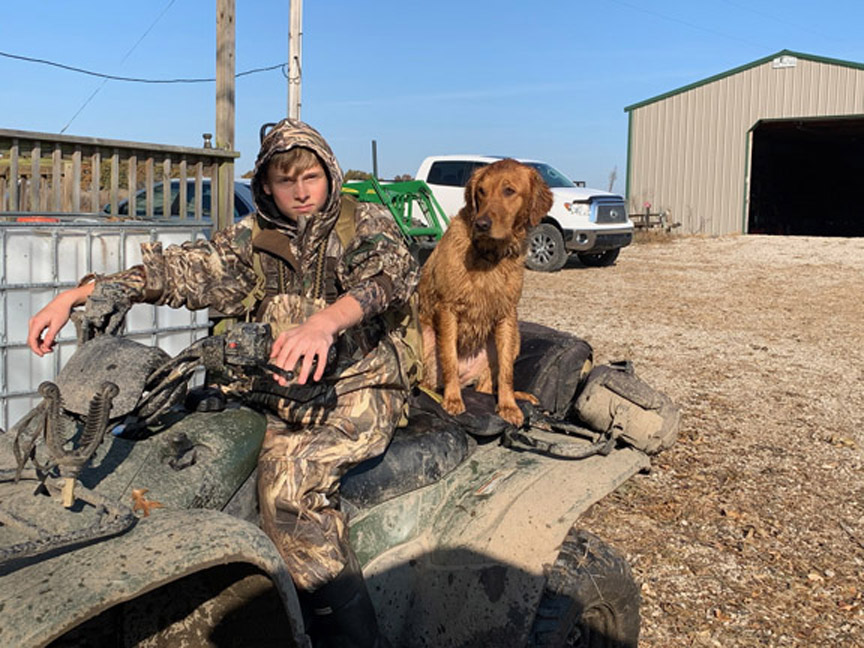
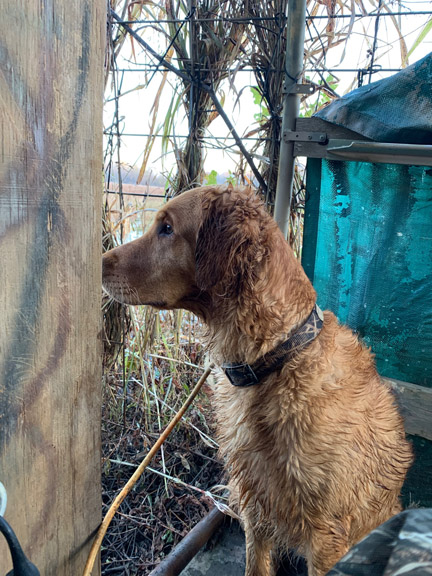
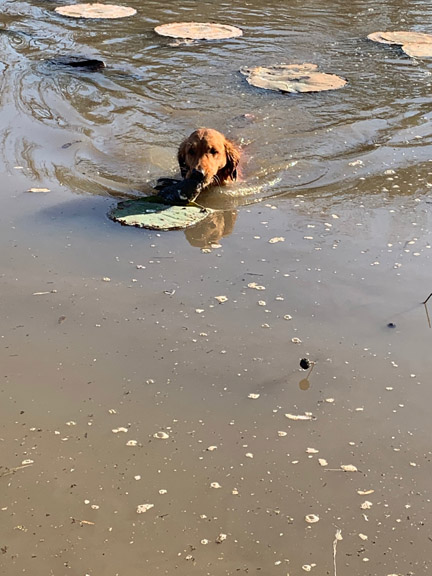
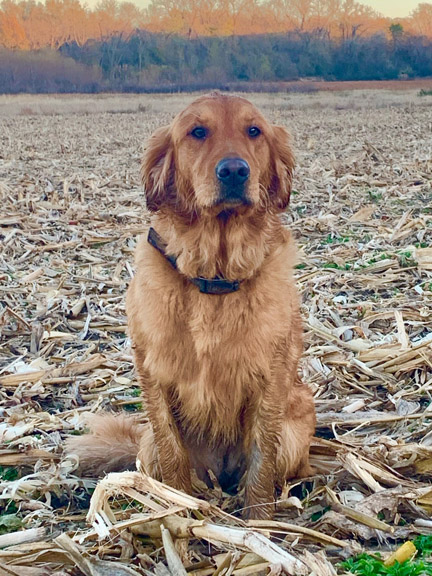
    Chuck and his golden retriever Zoe are ready to roll.

    Like all duck hunting places we had good seasons and not-so-good seasons. Thankfully, this past summer the food at Four Rivers was destroyed by high water so the ducks can’t sit on the refuge all day, cashing their welfare checks for flooded corn and smartweed. They have to get out and fly around like normal ducks, so this season is showing some promise. I bugged out a couple of years ago when the hard part of hunting started out-weighing the fun part. So I’m not there to enjoy it in person now, but I’m keeping up with the action thanks to Jay Lang and his son Chuck’s photography.

    Now if they’d just overnight me a big, tasty mallard…


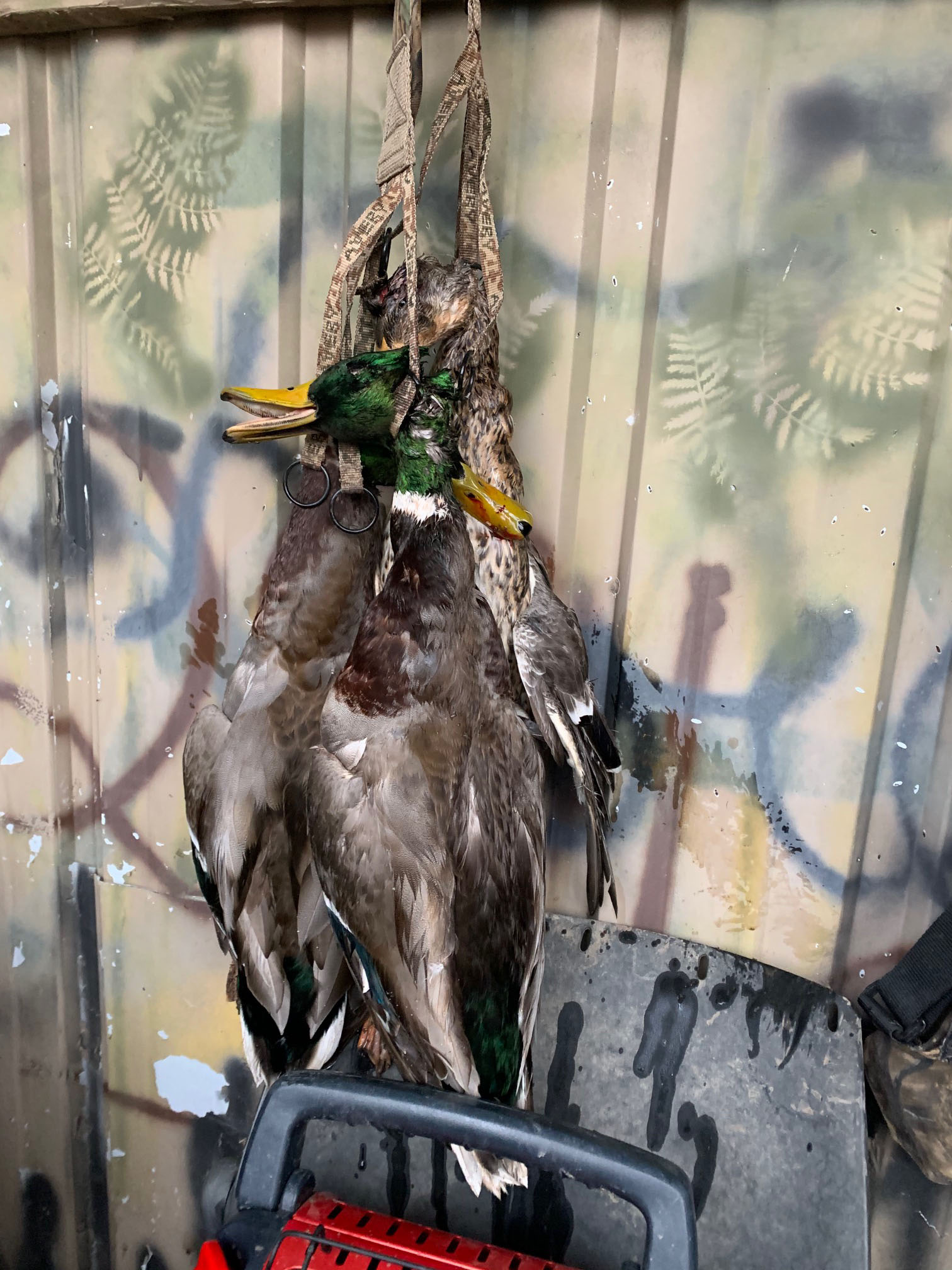
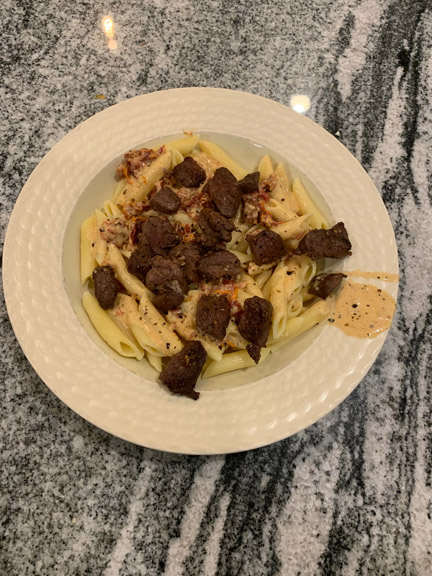
    Mallard breast with sun dried tomato cream sauce pasta


  • Antlers Away

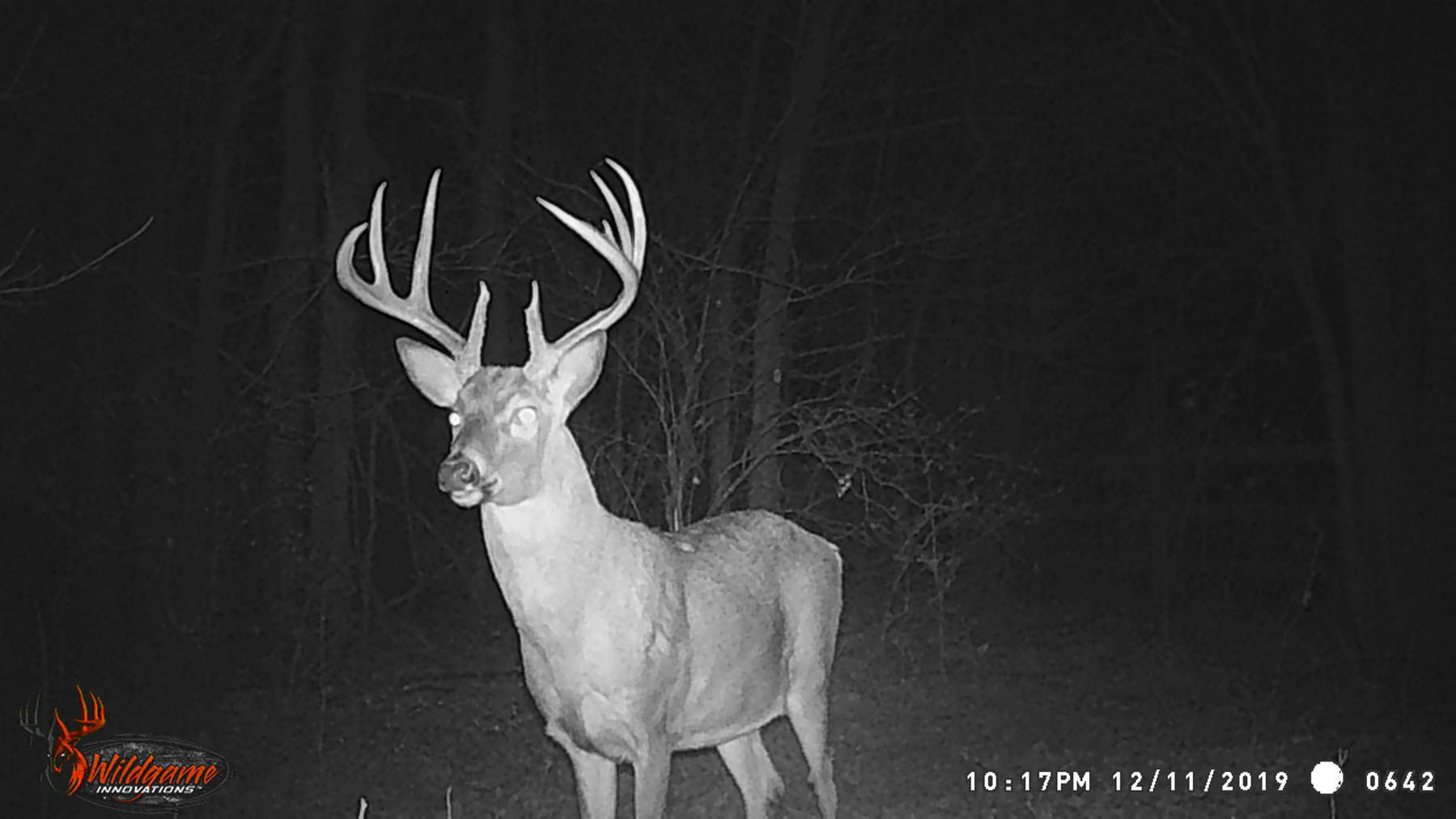
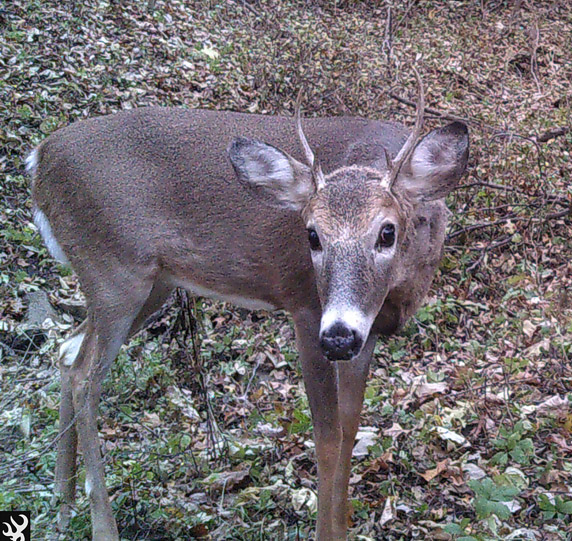
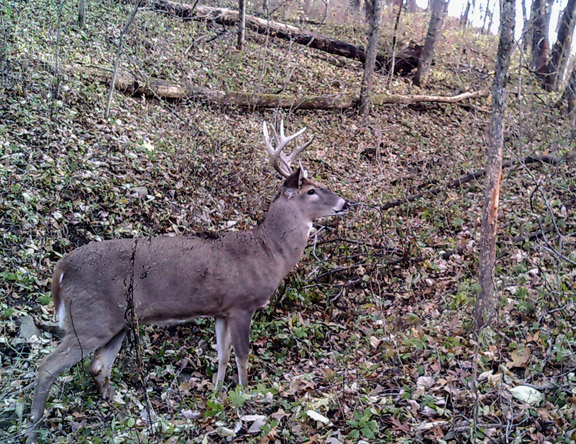
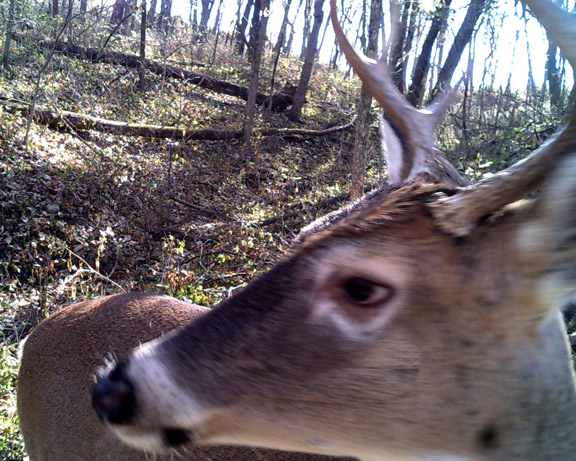
    Trailcam photos of  Kansas white tail bucks just keep coming. These beautiful shots came from my friend Jon Blumb whose camera hung on a tree somewhere in northeast Kansas. It’s funny how sometimes deer almost seem to be mugging for the camera.


  • Once again life imitates art

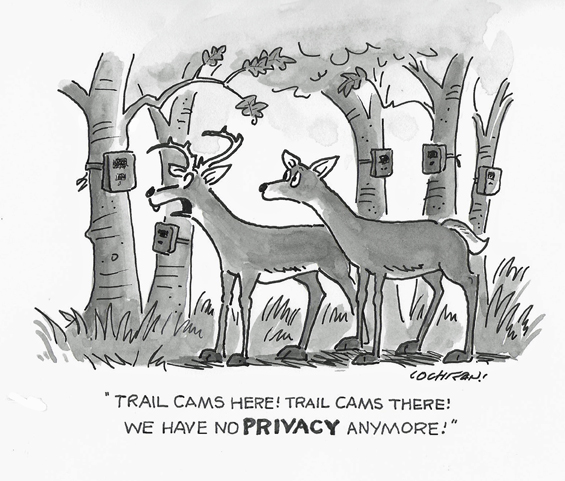
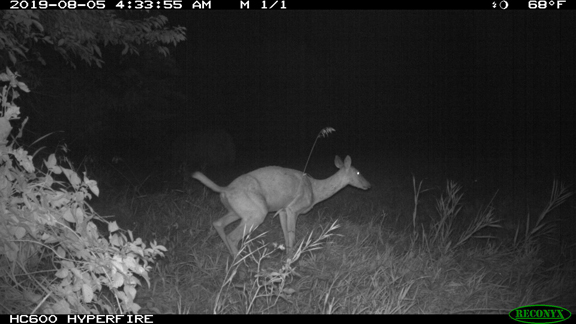
    My friend Scott’s trail cam photo of a deer answering the call of nature  brings to mind my recent cartoon in the September/October issue of On Wisconsin Outdoors. This poor old doe couldn’t even take a leak in private!

  • More big Kansas white tails

    I’m starting to see why hunters from North Carolina, Vermont, Texas and other states come to Kansas and pay ridiculously high fees for a non-resident deer tag, hoping to bag a big whitetail buck.

    My Kansas buddy Scott keeps trail cams scattered over an area about the size of Delaware and keeps providing me with interesting photos. Scott is an antler hunter and, according to him, none of these bucks are “shooters”. Me? I was a meat hunter. My trophy was a nice tender120 pound doe. I do have a couple of magnificent racks  – which Scott would probably call non-shooters – hanging on my studio wall but both were shot in Missouri.

    Anyhow…take a look at these “non shooters”. Scott puts out mineral lick blocks during the year and they do attract deer. They lick the blocks right into the ground, then keep licking where the block used to be. I don’t know the name of the chemical in the block but it should be called “Deer crack”.

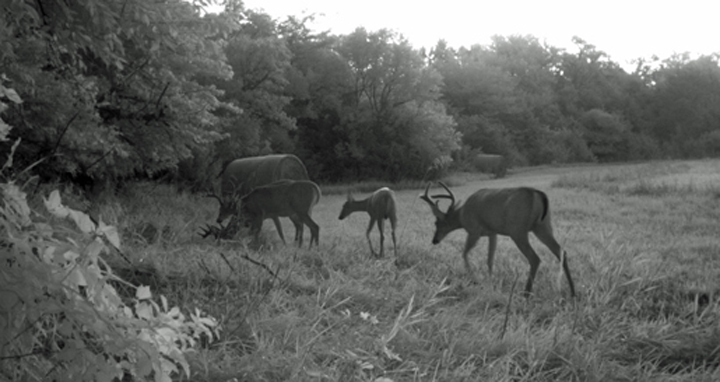
    You can see the buck in the night photo, his nose down in the hole where the mineral lick used to be, still licking away while a doe and another buck wait in line.

    Reminds me of the first day Baskin-Robbins introduces a new flavor.


  • Blast from the past

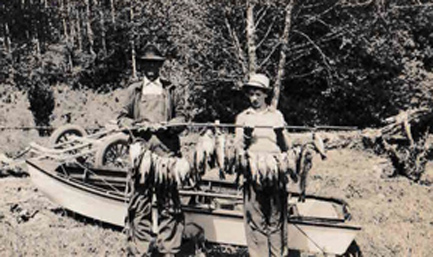
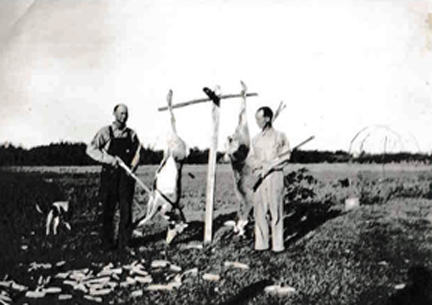
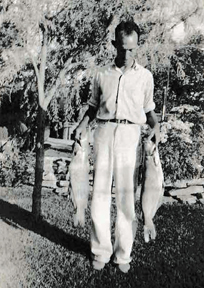
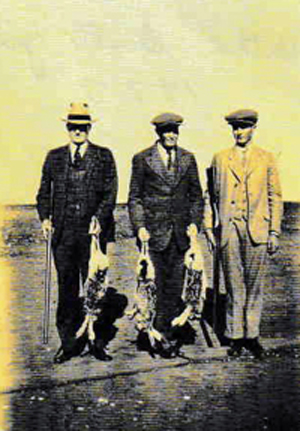
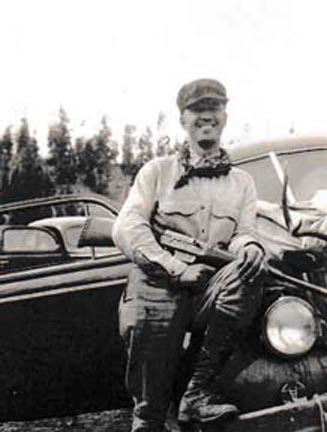
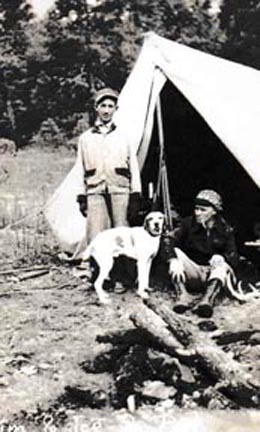
    I love looking at grainy old photos of guys just like us, having a good time hunting and fishing years ago. These snapshots are pictures of my wife’s family and friends; from their clothing I’d guess they were taken  in the ‘30s or 40s.

    Notice the man and kid showing off two nice stringers of what appear to be bass and bluegill with maybe a crappie or two in the mix. Yes, the “hero shot” has been around for a long long time.

    Look at the three dudes all dressed up in their Sunday finest, proudly displaying their gigantic jackrabbits. Did they skip out from work on their lunch break for a quick rabbit hunt? Or maybe ditch the wife and kids after church  to go out and blast a few bunnies?

    How about the two guys with the big game animals strung from a pole? I can’t tell if they’re does or antelope. And what are all the light-colored things on the ground? My guess would be corncobs.

    The gent dangling the two big fish obviously hadn’t learned to hold them closer to the camera so they’d look bigger. I’d guess they’re trout but it’s hard to tell. What do you think?

    The grinning dude sitting on the car fender is my father-in-law. Those pointy things to his left appear to be antlers. You know this wasn’t the only photo taken that day. Wouldn’t you love to see the rest!

    The two guys in front of the tent, with the white dog and the campfire: my wife swears that’s her dad, seated with the cigarette in his mouth. I have my doubts. There are also some antlers beside his left leg. Did one of them bag a deer or were the antlers just used to rattle up a buck?

    Wouldn’t you love to hear the story that goes with each photo?


  • More big Kansas white tail bucks

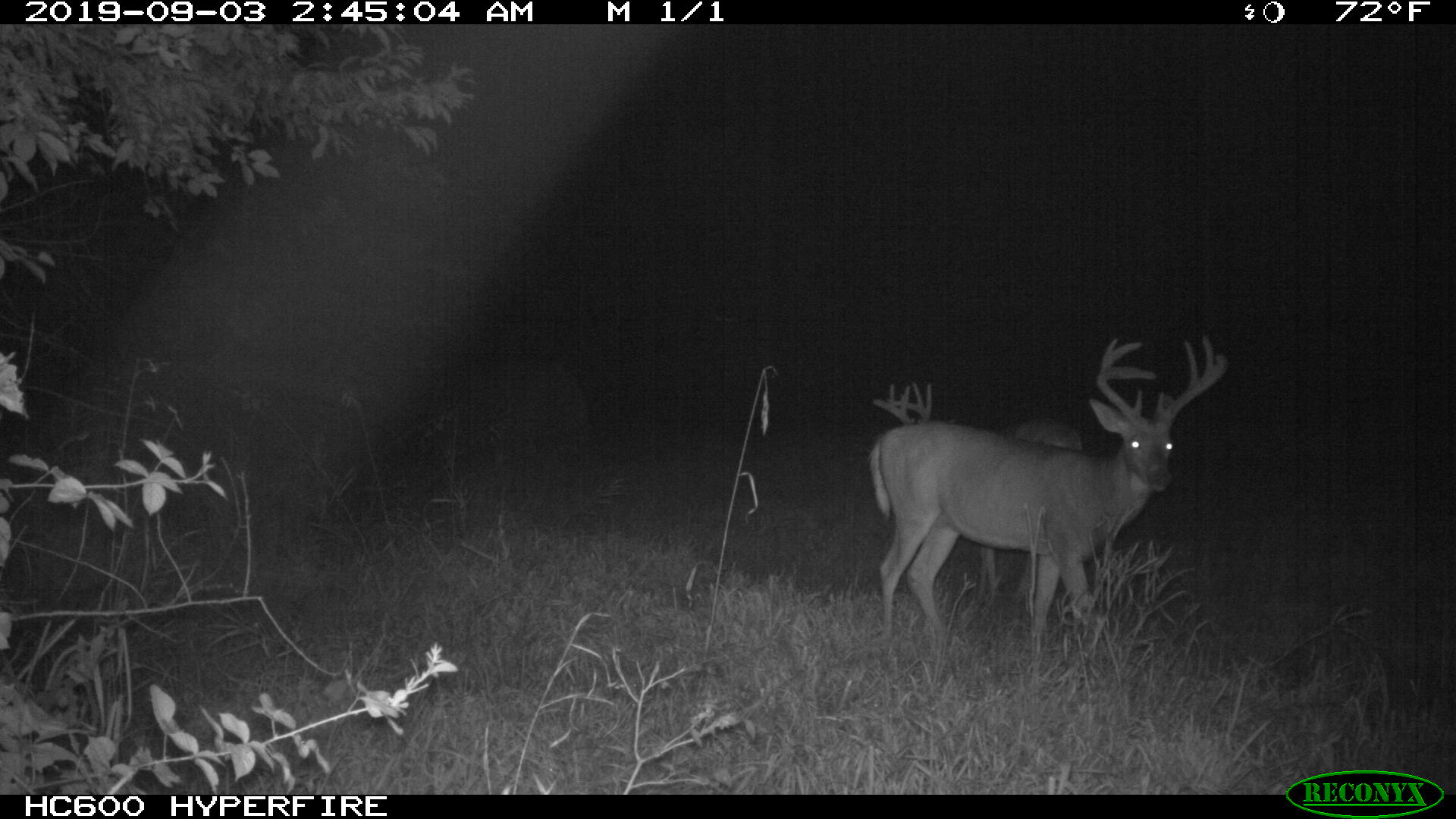
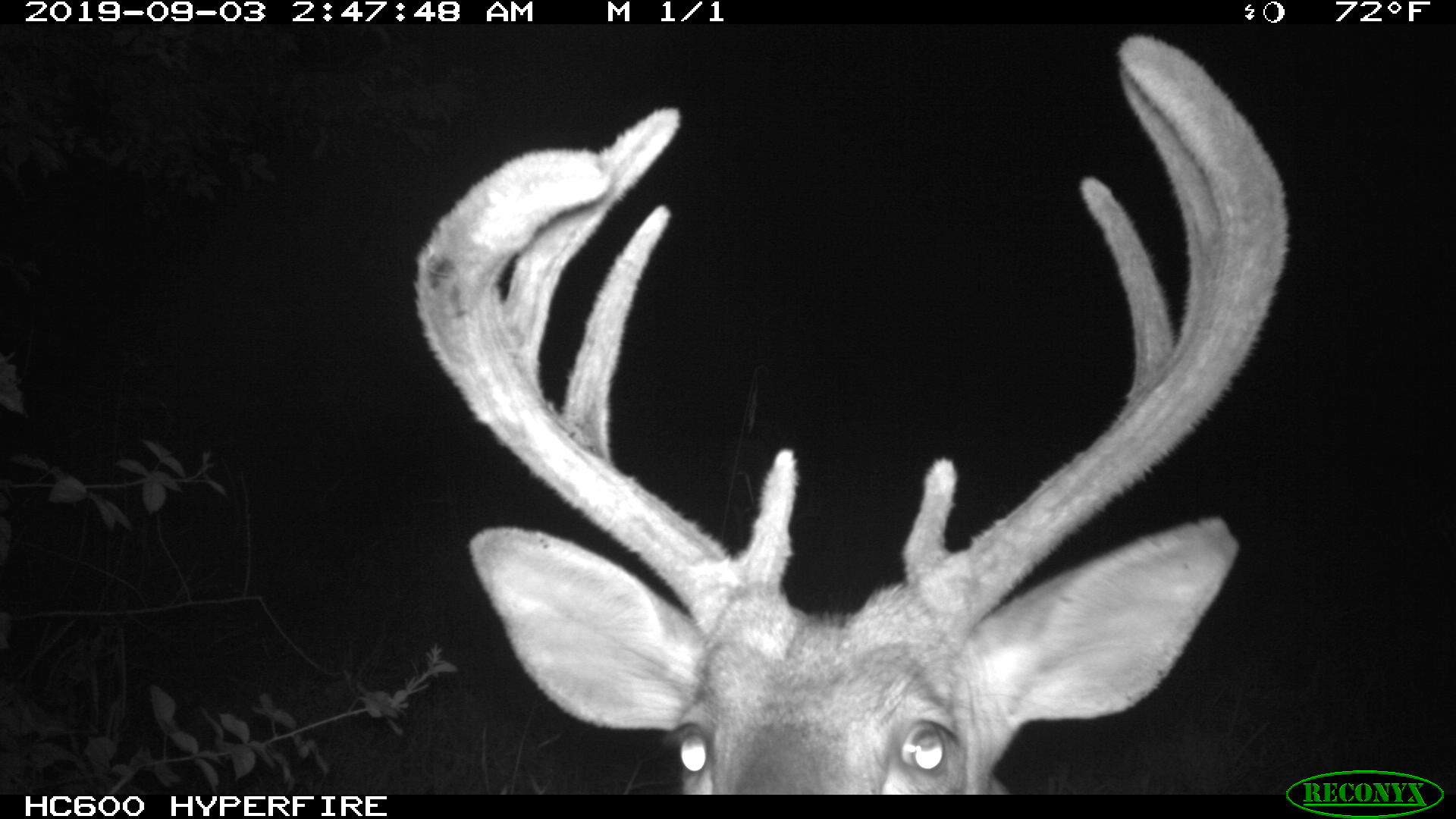
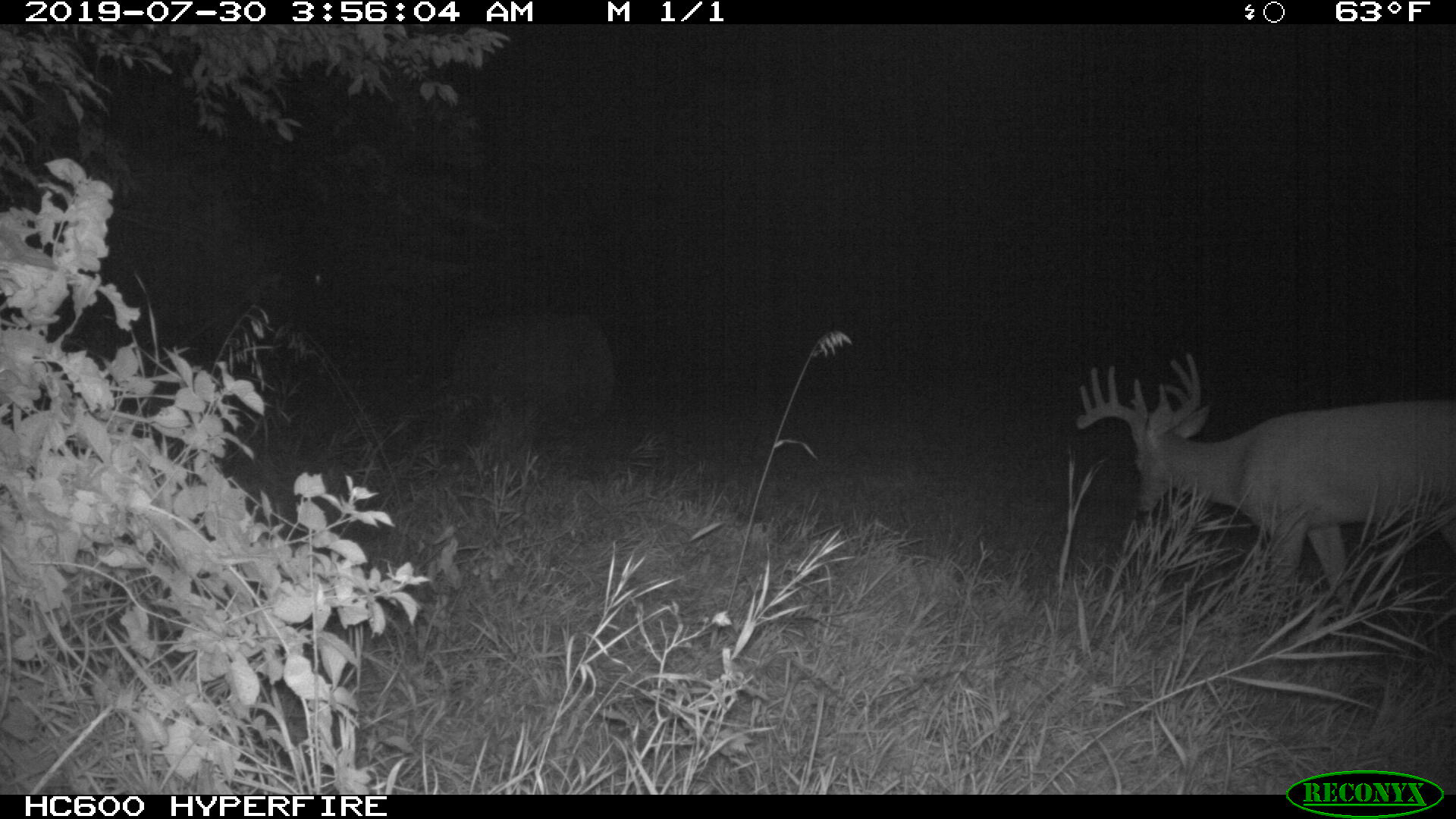
    This big nocturnal, Kansas whitetail buck ,  antlers still in velvet, was hard to capture on one of my friend Scott Morgan’s many trail cams. Scott has several cameras scattered over a wide area near his home in eastern Kansas. He’s hoping to get a shot of a cougar that has been sighted in the vicinity. So far no luck on the cougar but lots of deer and turkey.